Ask any wine lover about their most memorable bottle, and they will almost certainly mention the vintage. That single number printed on the label tells a story, of weather, of harvest conditions, of the unique character that one particular year gave to the wines it produced.
In Bordeaux, where the climate plays a decisive role in the quality and style of each harvest, understanding vintages is not just for collectors and sommeliers. It is for anyone who wants to truly appreciate what is in their glass.
Why Vintages Matter More in Bordeaux Than Almost Anywhere Else
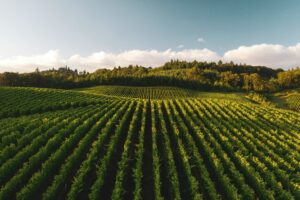
Bordeaux sits at the northern edge of where Cabernet Sauvignon can reliably ripen. This means that small variations in temperature, rainfall, and sunshine hours during the growing season can have an enormous impact on the character of the wines produced.
A warm, dry summer followed by a sunny harvest produces grapes with deep color, rich tannins, and concentrated flavors, the hallmarks of a great vintage. A cool, wet season, on the other hand, can result in wines that are lighter, more acidic, and less suited to long aging.
This sensitivity to climate is part of what makes Bordeaux so fascinating, and why the vintage year on the label carries so much weight.
What Happens in the Vineyard Throughout the Year
Understanding a Bordeaux vintage begins long before harvest. The quality of any given year is shaped by a sequence of events that unfolds across the entire growing season.
Winter and early spring set the foundation. Mild winters allow the vines to rest without suffering frost damage, while a warm, dry spring encourages healthy flowering and fruit set.
Summer is where the magic, or the drama, happens. Heat and sunshine are essential for ripening, but excessive heat can stress the vines. Moderate temperatures with occasional rainfall at the right moments create the ideal conditions for balanced, complex grapes.
August and September are critical. The weeks leading up to harvest determine whether a vintage will be remembered for decades or quietly forgotten. Dry, sunny conditions in late summer allow the grapes to reach full physiological maturity while preserving the freshness and acidity that give great Bordeaux wines their structure and longevity.
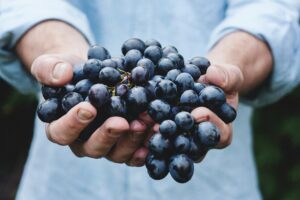
Harvest timing is the final variable. Picking too early captures freshness but sacrifices ripeness. Picking too late risks overripe, jammy flavors. The best vintages are those where nature cooperates long enough for winemakers to harvest at precisely the right moment.
The Hallmarks of a Great Vintage
Not all great vintages look the same, but they tend to share certain characteristics that set them apart from more ordinary years.
Concentration and depth — Great vintages produce wines with intense color, rich fruit, and a complexity that reveals itself gradually over years and even decades in the bottle.
Balance — Perhaps the most important quality of all. The finest Bordeaux vintages achieve a harmony between fruit, tannin, acidity, and alcohol that allows the wines to age gracefully rather than simply becoming more powerful over time.
Consistency across the region — In the very best years, quality is high not just at the top estates but across the entire appellation. This is what separates a truly exceptional vintage from one that merely produced great wines at the most celebrated châteaux.
Aging potential — Great vintages are built to evolve. The tannins are ripe and firm but not harsh, providing the structure that allows the wines to develop over many years, revealing layers of complexity that simply do not exist in their youth.
Left Bank vs Right Bank: Do Vintages Affect Them Differently?
Yes, and this is one of the most fascinating nuances of Bordeaux wine.
Because the Left Bank is dominated by Cabernet Sauvignon and the Right Bank by Merlot, the two sides of the Gironde estuary do not always perform equally well in the same year.
Merlot ripens earlier than Cabernet Sauvignon, which means Right Bank appellations like Saint-Émilion and Pomerol can be more vulnerable to autumn rains that arrive before the later-ripening Cabernet has had time to fully mature. Conversely, in cooler years, Merlot may perform better than Cabernet, giving the Right Bank an advantage.
This is why experienced wine professionals never evaluate a Bordeaux vintage without considering both banks separately, and why a year celebrated on the Left Bank may tell a different story on the Right.
How Experts Evaluate a Vintage
Assessing the quality of a Bordeaux vintage is both a science and an art.
Wine professionals taste barrel samples during the spring following harvest, when the wines from the previous year are still aging in oak. These tastings, known as En Primeur, or Bordeaux Futures, allow experts to evaluate the potential of a vintage before the wines are even bottled.
But early assessments are just the beginning. A truly great vintage reveals its full character only after years sometimes decades, in the bottle. This is why the most respected vintage assessments are those made by experts who have followed the wines over time, tasting them at multiple stages of their development.
Why Vintage Knowledge Changes the Way You Drink Wine
Understanding Bordeaux vintages does not mean memorizing scores or chasing the most celebrated years. It means developing a deeper appreciation for what is in your glass, and a curiosity about the story behind every bottle.
Knowing that a wine was produced in a year of exceptional sunshine helps you understand its richness. Knowing that a cooler vintage produced wines of remarkable freshness and elegance helps you approach the bottle with different expectations,and perhaps discover something you did not anticipate.
Vintage knowledge also opens the door to some of the most exciting discoveries in wine. Lesser-celebrated years often produce wines of genuine character and complexity, available at prices that great vintages rarely allow. For the curious wine lover, these are often the most rewarding bottles of all.
Every Year Tells a Story
In Bordeaux, no two vintages are ever the same. Each year brings its own climate, its own challenges, and its own rewards, shaping wines that are a direct expression of the season that produced them.
This is what makes collecting and discovering Bordeaux wines such a rich and endlessly fascinating experience. Behind every label is a year, and behind every year is a story, of sun and rain, of patient winemakers, and of grapes that captured a particular moment in time.
The most memorable bottles are rarely just wines. They are memories of a year, a place, and a season that will never come again.